
WhatsApp Web is a versatile tool for remote learning and classroom management. Setup requires latest app versions on mobile and computer: enable WhatsApp Web in phone settings, visit whatsapp.com/web, scan QR code. Key features include messaging, calls, contact access, peer-to-peer tutoring, multimedia sharing, screen sharing, and group chats. Educators can leverage it for real-time engagement, content sharing, collaborative learning, and remote support. Security features like end-to-end encryption, lock timers, and two-factor authentication protect sensitive information. For optimal results, adapt content for digital delivery, explore innovative lesson planning strategies, and consult resources for troubleshooting.
In today’s digital age, instant messaging platforms like WhatsApp have become indispensable tools for communication, both personal and professional. WhatsApp Web, the online version of the popular app, expands these capabilities to desktop environments, offering a seamless experience for users who rely on their computers for work or study. However, many newcomers find WhatsApp Web’s features overwhelming, lacking clear guidance on how to harness its full potential. This beginner’s guide aims to demystify WhatsApp Web messaging, providing an authoritative overview of its key functions and practical tips for efficient use, naturally enhancing your online communication.
- Setting Up WhatsApp Web: A Step-by-Step Guide
- Navigating the Interface: Understanding Key Features
- Sending Messages: Types and Formatting Options
- Group Chats and Broadcasts: Engaging with Others
- Security and Privacy: Protecting Your Conversations
Setting Up WhatsApp Web: A Step-by-Step Guide

Setting up WhatsApp Web for seamless messaging is a straightforward process, especially when tailored for remote learning environments and tech-driven classroom management. Here’s a step-by-step guide to ensure you can leverage this feature effectively, whether facilitating online peer-to-peer tutoring or enhancing communication within your educational community.
Begin by ensuring your WhatsApp app is updated to the latest version on both your mobile device and computer. Open WhatsApp on your smartphone and tap on “Settings” followed by “WhatsApp Web.” If prompted, allow access for a secure connection. On your computer, open a web browser and go to whatsapp.com/web. You’ll be asked to scan a QR code using the WhatsApp app on your phone—simply align both devices for seamless pairing. Once connected, you can send messages, make calls, and even view your contacts right from your web browser.
For educators, this feature opens up opportunities for real-time engagement with students. Imagine conducting live Q&A sessions during lectures or providing immediate feedback on assignments through WhatsApp Web. Consider integrating it into your lesson plans to create an interactive tech-driven classroom experience. Moreover, for online tutoring platforms, WhatsApp Web facilitates personalized peer-to-peer interactions, making it easier for tutors and students to connect and collaborate effectively.
If you encounter any issues during setup or require further customization, consult reliable resources or give us a call at educational content creation tips. Remember that embracing technology in learning environments not only enhances communication but also contributes to a more dynamic, engaging educational experience.
Navigating the Interface: Understanding Key Features
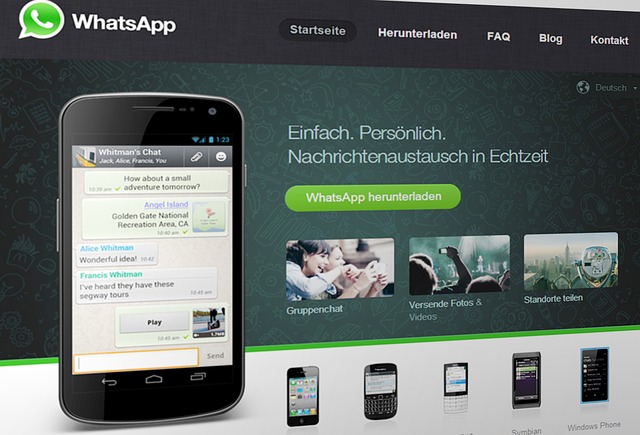
WhatsApp Web offers a robust interface for seamless messaging, catering to various user needs, including online peer-to-peer tutoring and collaborative learning environments. Navigating this platform effectively is key to unlocking its full potential for educational purposes. The interface is designed with a mobile-first approach, ensuring accessibility and intuitiveness across devices.
Upon opening WhatsApp Web, users are greeted by a familiar yet refined layout. The chat window dominates the screen, mirroring the mobile experience. Key features are easily accessible through the menu bar at the bottom. Here, you’ll find options for creating new chats, accessing existing conversations, and managing contacts—all essential for interactive lesson planning strategies. A unique aspect is the integration of multimedia elements; users can effortlessly share images, videos, and documents, enhancing the learning experience with engaging visual aids.
For educators looking to enhance their online tutoring sessions, WhatsApp Web provides a platform to organize structured lessons. Creating groups allows for dedicated virtual classrooms where teachers can interact with students in real-time. This facilitates two-way communication, enabling immediate clarification of concepts. Additionally, the ability to share screens during chats opens doors to interactive demonstrations and presentations, making remote learning more dynamic. Exploring innovative lesson planning strategies through WhatsApp Web’s interface can significantly boost student engagement and knowledge retention.
To maximize the benefits, educators are encouraged to adapt their teaching methods for the digital realm, ensuring content is optimized for online delivery. Consider creating bite-sized, mobile-friendly educational content to cater to diverse learning styles. By visiting us at virtual classroom engagement ideas, you can discover further strategies to revolutionize your teaching approach and leverage WhatsApp Web’s capabilities to their fullest extent.
Sending Messages: Types and Formatting Options

WhatsApp Web offers a range of messaging features to enhance communication for both personal and professional users. When it comes to sending messages, the platform provides diverse options to cater to various needs. Whether you’re drafting a casual chat or a formal business message, understanding the types and formatting capabilities is key to effective communication on WhatsApp Web. One notable feature is the ability to send different media types, such as images, videos, and documents, which can significantly enrich your conversations.
The platform supports standard text messaging with options for bolding, italicizing, and underlining text. This basic formatting allows users to emphasize important points or create a structured look in their messages. Additionally, the ability to insert links seamlessly enables users to share online resources directly within chats, facilitating easy access to relevant information during discussions. For instance, when collaborating on writing projects using WhatsApp, inserting links to research materials can streamline the editing and fact-checking process, enhancing the overall efficiency of the collaborative writing experience. Educational technology integration strategies can further be explored by utilizing WhatsApp Web’s capabilities to share interactive content or create group study sessions.
Advanced users can take advantage of online research skills training to craft more sophisticated messages. This includes embedding rich media like infographics, which can visually communicate complex ideas, making it a powerful tool for both teaching and learning. For instance, educators could utilize WhatsApp Web to share dynamic educational content with students, fostering an engaging virtual classroom experience. By combining multimedia elements and structured messaging, users can create compelling conversations that encourage active participation. As the adoption of educational technology continues to rise, WhatsApp Web’s versatility in supporting collaborative writing and content sharing makes it a valuable tool for modern learning environments. To explore more advanced integration strategies, visit us at Virtual Classroom Engagement Ideas for tailored insights and innovative approaches.
Group Chats and Broadcasts: Engaging with Others

Group Chats and Broadcasts on WhatsApp Web offer powerful tools for engaging with others, enhancing communication, and fostering collaboration, making it an essential feature in today’s digital landscape. Whether you’re managing a remote learning platform or integrating learning management systems, WhatsApp Web can streamline classroom management. With group chats, educators can easily connect with students, share resources, and provide support outside of traditional class hours, reflecting a tech-driven approach to education.
Imagine this: a teacher creates a dedicated chat for their virtual classroom, where students can ask questions, discuss assignments, or even form study groups. This not only encourages active participation but also promotes a sense of community among remote learners. Broadcasts, on the other hand, allow administrators or teachers to send personalized messages to entire classes or groups simultaneously. For instance, sharing updates about upcoming exams or important announcements related to course material can be done efficiently through this feature.
Moreover, WhatsApp Web’s group chat functionality facilitates peer-to-peer learning by enabling students to collaborate and assist each other directly on the platform. This dynamic can significantly enhance knowledge retention and understanding, as learners often grasp concepts better when explaining them to their peers. As remote learning platforms continue to evolve, leveraging tools like WhatsApp Web for effective communication and engagement is crucial in creating an interactive and supportive learning environment, even when students are geographically dispersed.
To maximize the benefits of these features, educators should encourage open and respectful dialogue within groups, set clear guidelines for participation, and regularly monitor conversations to ensure a positive experience for all participants. By embracing WhatsApp Web’s capabilities, educators can seamlessly integrate messaging into their teaching strategies, fostering a more connected and productive learning community—all accessible through a simple visit to WhatsApp Web for homework help anytime.
Security and Privacy: Protecting Your Conversations

WhatsApp Web offers a range of security and privacy features designed to protect your conversations and personal data. As educational content creators or online peer-to-peer tutors leveraging distance education resources, ensuring secure messaging is paramount for building trust with students and clients. WhatsApp Web’s end-to-end encryption ensures that only you and the recipient can read your messages, safeguarding sensitive information shared during online tutoring sessions or when creating engaging educational content.
To enhance privacy further, WhatsApp Web allows you to set a lock timer on your account. This feature automatically locks your chat after a specified period of inactivity, adding an extra layer of security. Additionally, two-factor authentication (2FA) strengthens access control by requiring a verification code alongside your password when signing in from new devices or locations. These robust measures mirror the best practices in classroom management, ensuring that sensitive conversations and personal details remain confidential.
For instance, consider a scenario where you’re offering online peer-to-peer tutoring sessions via WhatsApp Web. With end-to-end encryption, students can share their homework or study materials without worrying about unauthorized access. The 2FA mechanism ensures that only authorized tutors can view these files, maintaining the integrity of your educational content creation process and the privacy of student data. Leveraging these security and privacy features not only boosts trust but also aligns with the evolving landscape of distance education resources, where protecting sensitive information is paramount.
To stay ahead in this digital era, regularly update your WhatsApp Web settings to reflect the latest security best practices. Give us a call at tech-driven classroom management for expert guidance on implementing these features effectively, ensuring your online tutoring and educational content creation experiences are both secure and seamless.
By mastering WhatsApp Web, users can unlock a robust digital communication platform right from their browsers. This article has guided readers through setting up, navigating, and leveraging various features of WhatsApp Web effectively. Key insights include understanding the intuitive interface for seamless messaging, utilizing different message types and formatting options to enhance communication, and participating in group chats and broadcasts to engage communities. Additionally, prioritizing security and privacy is emphasized, ensuring users can protect their conversations with robust encryption. Armed with these skills, individuals are now equipped to fully utilize WhatsApp Web’s capabilities, making digital communication more efficient and secure than ever before.